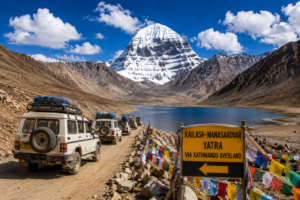
Kinnaur Kailash Yatra 2026 Registration: Complete Guide, Route & Permit Process
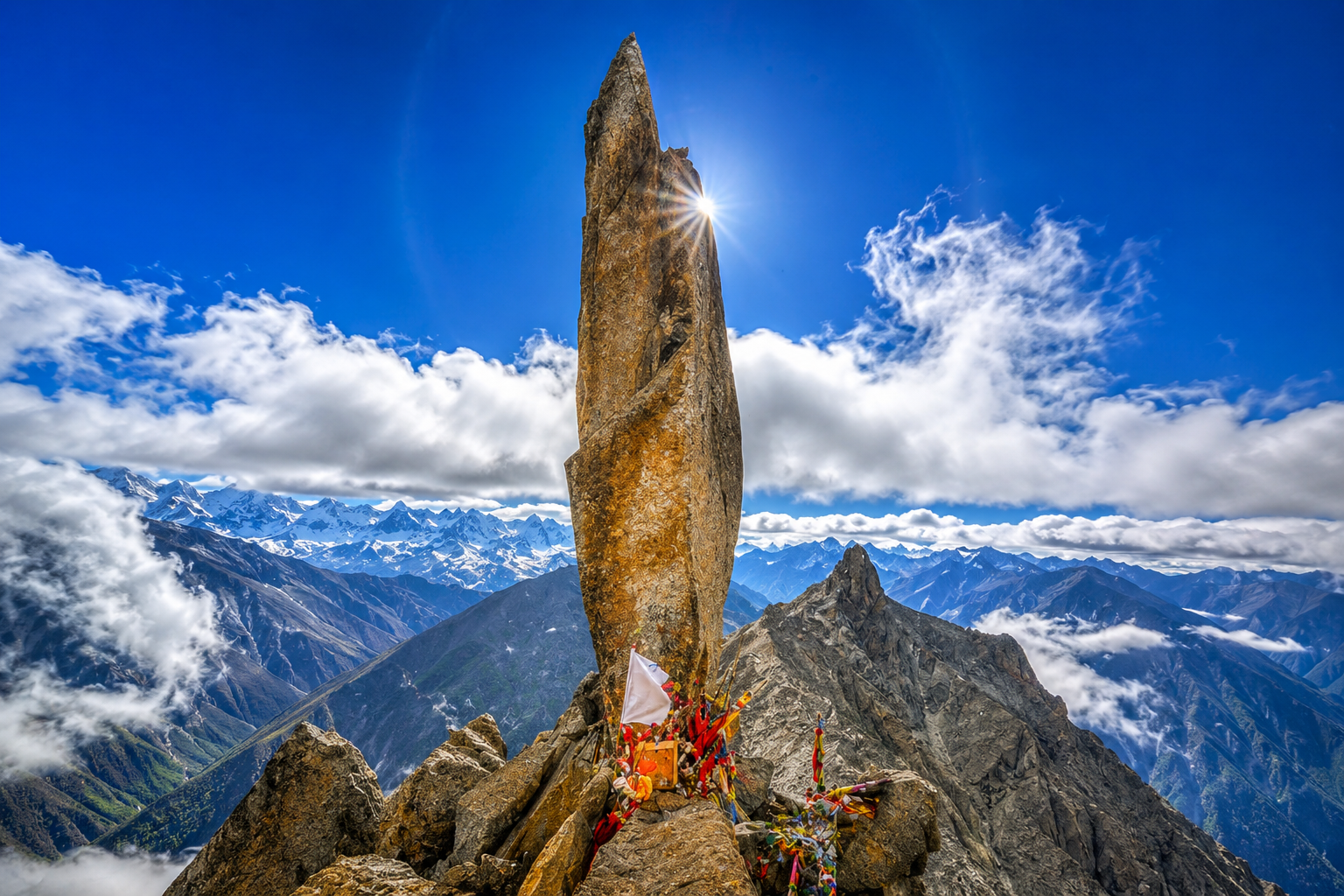
Nestled in the remote Kinnaur district of Himachal Pradesh, the Kinnaur Kailash Yatra is one of India’s most sacred and spectacular pilgrimages. Towering at an altitude of 6,050 metres (19,849 feet), the Kinner Kailash peak is believed by Hindus to be the winter abode of Lord Shiva and the sight of the 79 foot Shivalinga rock formation at its base, glowing gold at sunrise and silver at dusk, is something pilgrims and trekkers describe as genuinely life changing.
If you are planning to undertake this divine journey in 2026, this complete guide covers everything registration, permits, route, fitness requirements, packing essentials, and honest tips from seasoned travellers.
What Is the Kinnaur
The Kinnaur Kailash Parikrama is a high altitude trek that encircles the sacred Kinner Kailash range. Unlike many Himalayan pilgrimages, this yatra is not merely a religious walk it is a challenging technical trek through dense forests, glacial moraines, narrow ridges, and breathtaking alpine meadows.
The yatra holds immense religious significance for both Hindus and Buddhists. The circuit passes through ancient monasteries, temples, and meadows that have been revered for centuries. Every year, thousands of devotees and adventure trekkers from across India and abroad undertake this parikrama, seeking both divine blessings and the raw beauty of the trans Himalayan landscape.
If you are looking for a curated travel experience rather than planning independently, a Kinner Kailash Yatra package from a reputable operator can take away logistical stress while ensuring safety at altitude.
When Is the Best Time to Do the Yatra?
The yatra season is strictly weather dependent. The window typically opens after the snow melts on the high passes and closes before the onset of harsh winter. Broadly, the season runs from late spring through early autumn, with the post monsoon months offering the clearest skies, most stable trail conditions, and stunning autumn colours across the slopes.
The early season brings colder nights and higher snow on the passes, while the peak summer months can see heavier footfall on the trail. For most pilgrims and trekkers, the post monsoon window when the air is crisp and visibility exceptional is considered the sweetest spot of the entire season.
Always confirm current trail and weather conditions with local authorities or your tour operator before setting out, as conditions vary year to year.
Kinnaur Kailash Yatra 2026 Registration: Step-by-Step Process
Registration for the Kinnaur Kailash Yatra 2026 is mandatory for all pilgrims and trekkers. This is monitored by the Himachal Pradesh government to ensure safety and manage the ecological footprint of the trail.
How to Register
Option 1: Online Registration
- Visit the official Himachal Pradesh tourism or district administration portal.
- Fill in personal details: name, age, address, and emergency contact.
- Upload a valid government ID proof (Aadhaar, passport, or driving licence).
- Upload a recent medical fitness certificate from a registered doctor.
- Pay the applicable registration fee online.
- Download your registration certificate and carry a printed copy on the trek.
Option 2: On-Site Registration
Physical registration counters are typically set up at:
- Reckong Peo (district headquarters of Kinnaur)
- Sangla and Chitkul entry points
- Kalpa village
You will need to present original ID documents, a fitness certificate, and pay the registration fee in cash at the counter.
Important: Registration does not guarantee entry on a specific day. Group sizes are regulated, and officials may hold groups during bad weather or trail closure. Always carry your registration slip with you throughout the trek.
Inner Line Permit (ILP): What You Need to Know
Kinnaur is a restricted border district of Himachal Pradesh, sharing a boundary with Tibet. As a result, all visitors Indian and foreign nationals require an Inner Line Permit (ILP) to enter certain parts of the district.
ILP for Indian Nationals
- Obtained from the Sub Divisional Magistrate (SDM) office in Shimla, Rampur, or Reckong Peo.
- Also available at designated check posts along the route.
- Required documents: government issued ID, passport size photographs, and a filled application form.
- The fee is nominal and payable at the issuing office.
ILP for Foreign Nationals
- Foreign nationals require a Protected Area Permit (PAP) and must travel in a group of at least two persons.
- Apply through the Ministry of Home Affairs (India) or through registered travel agents.
- Note: Certain areas closer to the Tibet border may be completely restricted for foreign nationals.
If you are booking a Kinner Kailash Yatra package through a tour operator, they will typically handle the ILP and permit paperwork on your behalf saving you considerable time and effort.
Route and Itinerary: Kinnaur Kailash Yatra from Delhi
This well structured itinerary is designed for travellers departing from Delhi, covering the sacred Kinner Kailash Darshan in a compact yet fulfilling journey. The trek is graded moderate to difficult and involves high altitude camping making it accessible to reasonably fit trekkers without requiring prior expedition experience.
Day 0 — Delhi Night Departure
Your yatra begins in the evening or night from Delhi. Board your overnight vehicle headed towards the mystical Kinnaur Valley via Shimla. As the city lights fade behind you and the Himalayan foothills begin to appear, settle in for the journey — the mountains await. Overnight travel.
Day 1 — Shimla to Reckong Peo / Tangling Village
Drive Distance: Approx. 227 km
After passing through Shimla, the road winds deeper into Himachal Pradesh through lush green valleys, terraced apple and apricot orchards, and alongside the powerful Sutlej River. The landscape grows dramatically wilder as you enter Kinnaur district. By evening, you arrive at Tangling Village or Reckong Peo, the cultural and administrative heart of Kinnaur.
Check in to your homestay, enjoy a warm home cooked dinner with your hosts, and rest well. Tomorrow, the trekking begins. Overnight stay at Tangling / Reckong Peo.
Day 2 — Tangling to Ganesh Park Trek
Trek Distance: Approx. 8 km
After an early morning breakfast, lace up your boots and begin the ascent from Tangling Village towards Ganesh Park a serene high altitude campsite that serves as the base for the Kinner Kailash Darshan. The trail winds through oak and rhododendron forests, opening up gradually to reveal sweeping panoramas of the Kinnaur Valley and the snow capped peaks surrounding it.
Arrive at the campsite by afternoon. Set up camp, acclimatise, and absorb the profound stillness of your surroundings. Dinner and overnight stay in tents at Ganesh Park camp.
Day 3 — Kinnaur Kailash Darshan Trek
One Way Distance: Approx. 7 km
This is the heart and soul of the entire yatra the day you come face to face with the sacred Kinner Kailash Shivling. Begin the trek in the early hours of the morning, before dawn if possible, to catch the first light striking the 79 foot natural Shivalinga rock formation. The sight as the rock glows gold, then transforms to silver is one of the most extraordinary natural phenomena in the Himalayas and deeply moving for pilgrims and non pilgrims alike.
Take your time for darshan, prayers, photography, and quiet reflection at this sacred site. Begin your return trek to the Ganesh Park campsite by midday. Packed lunch is carried during the trek. Dinner and overnight stay in camps.
Day 4 — Ganesh Park to Tangling / Onwards to Shimla
Trek Down: Approx. 8 km
After breakfast at the campsite, begin the descent back down to Tangling Village a satisfying downhill walk that gives you time to reflect on the days just passed. Once back at Tangling, freshen up and begin the return road journey towards Shimla. Board your overnight vehicle for Delhi in the evening. Overnight journey.
Day 5 — Arrival in Delhi
Early morning arrival in Delhi. The yatra concludes here but the memories of the Himalayan silence, the sacred Shivling at dawn, the warm Kinnauri hospitality, and the camaraderie of the trail will stay with you far longer than the journey itself.
Fitness and Health Requirements
The Kinnaur Kailash Yatra is not a casual walk. You must be in genuine good physical condition to safely complete it.
Minimum fitness benchmarks:
- Ability to trek 12–18 km per day on uneven, often steep terrain
- Cardiovascular fitness regular running, cycling, or swimming for at least 6–8 weeks beforehand
- Prior high altitude experience is strongly recommended (at least one trek above 4,000 m)
- No serious heart, lung, or blood pressure conditions
Medical certificate: A fitness certificate from a registered medical practitioner is required at registration. Do not treat this as a formality it exists to protect you.
Altitude sickness (AMS): Acclimatise properly, ascend gradually, stay well hydrated, and carry Diamox if recommended by your doctor. Know the symptoms persistent headache, nausea, dizziness, breathlessness at rest and descend immediately if they worsen. No view or deadline is worth risking your health.
What to Pack: Essential Gear Checklist
- Clothing: Thermal base layers, fleece mid layer, waterproof outer shell jacket, waterproof trousers, trekking gloves, warm hat, balaclava
- Footwear: Waterproof high ankle trekking boots (broken in before the trek), gaiters
- Trekking gear: Trekking poles, 50–60L backpack with rain cover, sleeping bag rated to 10°C
- Navigation & safety: Headlamp with spare batteries, whistle, emergency space blanket
- Health kit: Diamox (consult your doctor first), ORS sachets, blister plasters, personal medications, SPF 50+ sunscreen, lip balm
- Documents: Registration certificate, ILP/PAP, government issued ID, emergency contact card, travel insurance policy
Tips for a Safe and Respectful Yatra
- Hire a local guide. The terrain is remote, trails are not always clearly marked, and local guides carry lifesaving knowledge of the mountains and weather patterns.
- Do not litter. Kinnaur’s ecosystem is fragile and irreplaceable. Carry all waste back with you leave no trace.
- Respect local customs. Many villages on the route are deeply religious. Dress modestly, ask before photographing people, and remove footwear at temple and monastery entrances.
- Avoid trekking solo. Always move with at least one companion. Mobile connectivity is near zero beyond Chitkul.
- Check weather before setting out each day. Conditions in the Himalayas change rapidly and with little warning. Trust your guide’s judgement over your itinerary.
- Carry adequate cash. ATMs are available only in Reckong Peo and Sangla. Beyond that, the trail is a cash only world.
- Start registration early. Slots and group permits fill up especially during peak months. Register well in advance to avoid disappointment.
Final Thoughts
The Kinnaur Kailash Yatra is one of those rare journeys that rewards every ounce of effort you put into it physically, spiritually, and experientially. The sight of the Shivalinga bathed in the first light of dawn, the stillness of the Baspa Valley, the warmth of Kinnauri hospitality, and the humbling scale of the Himalayan landscape make this an unforgettable adventure that stays with you long after you return home.
Whether you choose to plan independently or book a comprehensive Kinner Kailash Yatra package with a trusted operator, begin your Kinnaur Kailash Yatra 2026 registration early permits and slots fill up faster each year as this sacred trail grows in well deserved popularity.
Frequently Asked Questions (FAQs)
Q1. Is prior trekking experience mandatory for the Kinnaur Kailash Yatra?
Ans : It is not officially mandatory, but it is strongly recommended. The trek crosses a pass above 5,200 m and involves multiple consecutive days of sustained effort on rough terrain. Anyone without prior high altitude trekking experience should undertake at least one preparatory trek above 4,000 m before attempting this yatra.
Q2. When does Kinnaur Kailash Yatra 2026 registration open?
Ans: Online registration typically opens in spring, and physical counters at Reckong Peo and Sangla open as the season begins. It is advisable to register online in advance, especially if you are planning during the busier summer months, as slots can fill up quickly.
Q3. Can foreign nationals do the Kinnaur Kailash Yatra?
Ans: Yes, but with additional paperwork. Foreign nationals require a Protected Area Permit (PAP), must travel in a group of at least two people, and are restricted from entering certain areas very close to the Tibet border. Applying through a registered tour operator simplifies the process considerably.
Q4. Is the Kinnaur Kailash Yatra open for women?
Ans: Absolutely. There is no gender restriction on the yatra. Women undertake this pilgrimage every year — both independently and in groups. Standard trekking safety precautions apply, and travelling in a group is always advisable regardless of gender.
Q5. What is the difference between Kinnaur Kailash and Kailash Mansarovar?
Ans: These are two entirely separate sacred destinations. Kailash Mansarovar is located in Tibet (China) and is a much larger international pilgrimage requiring special permits and considerable international travel. Kinnaur Kailash (Kinner Kailash) is located within Himachal Pradesh, India, and is accessible with Indian domestic permits making it far more accessible for Indian pilgrims and trekkers.
Q6. Is a porter or guide compulsory?
Ans: Not officially compulsory, but practically essential. The trail is unmarked in many stretches, and carrying your own heavy pack over a 5,200 m pass is genuinely exhausting. Hiring a local guide and porter greatly improves both safety and the overall experience and directly supports the local Kinnauri economy.
Q7. What happens if weather forces a route change or cancellation?
Ans: Bad weather particularly heavy snowfall or rainfall on the Lamkhaga Pass can close sections of the trail. In such cases, your guide or the local administration will advise an alternate route or a compulsory rest day. Always keep buffer days in your itinerary. Reputable tour operators will have contingency plans built into well designed packages.
Q8. How physically demanding is crossing the Lamkhaga Pass?
Ans: Very demanding. The ascent to 5,282 m is steep and often partially snow covered even in summer. You will be trekking for 10–12 hours on pass crossing day. The acclimatisation days at Chitkul and Sangla before attempting the pass are not optional they are what make the difference between a safe crossing and a dangerous one.
Q9. Is there mobile network connectivity on the trail?
Ans: Mobile connectivity is reliable only up to Chitkul. Beyond that point, signal is essentially non existent through most of the parikrama circuit. Inform your emergency contacts of your itinerary before you depart, and consider carrying a satellite communicator if trekking independently.
Q10. Can I do the yatra independently or do I need to book a package?
Ans: Both options are viable. Independent trekkers who are experienced, well equipped, and knowledgeable about permit requirements can plan the yatra themselves. However, for those less familiar with the region, booking a Kinner Kailash Yatra package through a reputable operator ensures permits, accommodation, transport, guides, and contingency planning are all handled professionally letting you focus entirely on the experience.